
Description:
“Only 1% of American millennials under 30 years of age have a biblical worldview (down from 2% in 2019, and down from 12% in 1995).” Source: Arizona Christian University and Barna Research Group
1. Know the Essentials of a Christian Worldview
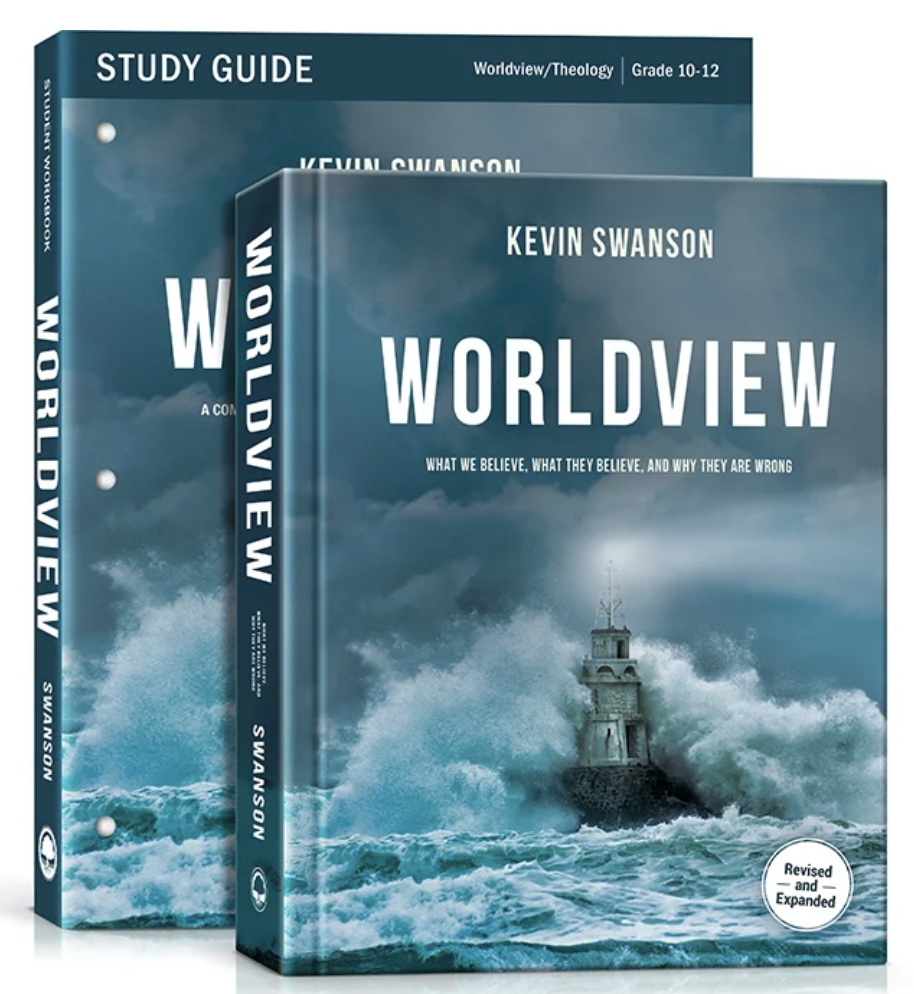
For lack of rooting and grounding in the truths of God’s Word, only 1% of millennials (as of 2023) hold to a biblical worldview, even though 56% still refer to themselves as Christians. Here is a short course for every believer and every young student of the Word of God on the basics of the Christian faith. Without delving too deeply into the intramural conflicts within Christianity, this book lays down the line of demarcation between the Thesis of truth, and the Antithesis of demonically contrived worldviews that have ensnared the whole world. Kevin Swanson lays down what he calls “trunk faith” or the essential truths every Christian must believe, without getting too caught up in the “leaves” or the minor differences between Christian groups. What distinguishes the Christian faith from the false religions and the bad worldviews that make up the rest of the world? This course gets down to the basics concerning the nature of truth, the nature of God, the nature of man, origins, ethics, sin, salvation, sociology, and teleology. This is theology 101 for the young believer.
2. Know the Rudiments of Competing Worldviews
“God made man upright, but they have sought out many schemes” (Eccl. 7:29). Now, how does the Christian worldview line up against competing worldviews, and where and how do they fall short? Young people today are subjected to a thousand competing voices through media, academia, and peers. They are too easily “cheated through philosophy and empty deceit according to the tradition of men, according to the basic principles of the world, and not according to Christ” (Col. 2:8). This book sets out to expose these vain philosophies, and to make way for the truth. The light shines in the darkness. The falsehoods must be exposed, and the truth must prevail.
3. Know How to Give an Answer for the Hope in You
We are challenged to “cast down arguments and every high thing that exalts itself against the knowledge of God, bringing every thought into captivity to the obedience of Christ” (2 Cor. 10:5). This course will also introduce basic apologetics for the Christian believer.
Generations Homeschool Curriculum provides two major worldview courses. Here are the differences between those:
- Worldviews in Conflict is a Literature Course, comparing the Christian worldview to predominating worldviews in the West (using the writings of philosophers, literary figures, and pop culture).
- Worldview is a theology course, comparing the Christian worldview to all major religions and worldviews around the world today.
- Worldview explains the Christian worldview in detail. Worldviews in Conflict gets into more detail concerning the predominant worldviews that students will run into in universities and popular culture, and how the Christian worldview counters them.
- Worldview is an introduction to the Christian worldview and other false worldviews. Worldviews in Conflictprovides more on how to detect these false worldviews in literature and popular culture and how to oppose them.
《Worldview》基督徒世界观入门
今天的年轻人每天都面对来自媒体、学校、网络、同龄人以及社会文化的各种思想和价值观。面对众多不同的声音,他们需要知道:基督徒到底相信什么?为什么相信?又应该怎样分辨与圣经真理相冲突的世界观?
Kevin Swanson 编写的 Worldview 是一套为年轻基督徒设计的基督教世界观与基础神学入门课程,主要帮助学生建立三个方面的基础:
1. 掌握基督教信仰的核心真理
本书首先帮助学生认识基督教信仰最重要的核心内容,而不过多进入不同基督教宗派之间的次要争议。
内容包括:
真理、神的属性、人的本质、世界的起源、道德、罪、救恩、社会以及人生最终的目的等。
作者将这些称为信仰的“树干(Trunk Faith)”——也就是年轻基督徒首先需要扎根的核心真理。
2. 认识并分辨不同的世界观
年轻人会不断接触各种宗教、哲学思想和社会价值观。本书帮助学生把这些思想与圣经世界观进行比较,学习辨认其中与圣经真理一致或冲突的地方。
课程特别鼓励学生不要只是接受周围文化所传递的信息,而要学习按照圣经进行分辨和思考.
3. 学习为自己的信仰作出回答
除了知道“我相信什么”,年轻基督徒也需要逐渐学习回答:
“我为什么这样相信?”
因此,本书也介绍基础的基督教护教学(Apologetics),帮助学生学习解释自己的信仰,并回应其他世界观对基督教信仰提出的问题。
与《Worldviews in Conflict》的区别
Generations Homeschool Curriculum 有两套主要的世界观课程:
《Worldview》属于神学与世界观入门课程,重点是系统介绍基督教世界观,并与世界上主要的宗教和其他世界观进行比较。
《Worldviews in Conflict》则属于文学与世界观课程,透过哲学家、文学作品以及流行文化中的思想,帮助学生辨认西方社会中常见的不同世界观,并学习从基督教世界观作出回应。
简单来说:
《Worldview》=“基督徒相信什么,以及为什么相信?”
《Worldviews in Conflict》=“当这些信仰进入大学、文学和流行文化时,怎样辨认并回应与圣经不同的思想?”
因此,如果学生还没有系统学习过基督教世界观,《Worldview》比较适合作为第一门基础课程;之后再学习 Worldviews in Conflict,会更容易理解和应用。